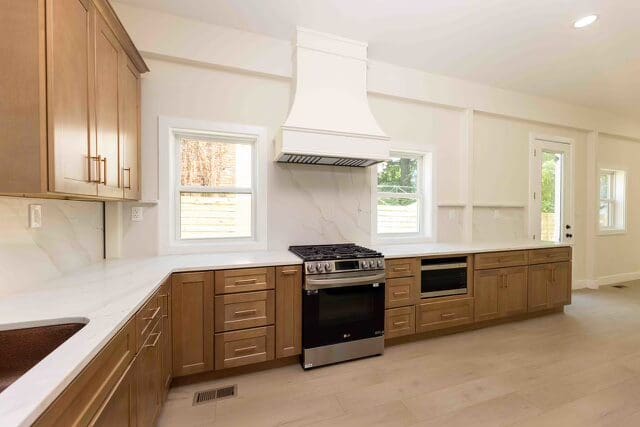
heritage hoods delaware, heritage hoods
The cost of custom wood range hoods is influenced by various factors, including the wood species, size, complexity of the design, and customization requirements. The choice of wood type is a significant cost driver, as some species like walnut or maple tend to be more expensive than others.
Additionally, the size of the hood and the level of customization, such as intricate carvings or specialty finishes, can significantly impact the overall price. Understanding these key cost factors can help customers make informed decisions when selecting their custom wood range hood.
The wood species used for a custom range hood is a major factor in determining the final cost. Hardwoods like oak, maple, and walnut are typically more expensive than softwoods like pine or cedar. The density, grain, and availability of the wood all contribute to the pricing differences between species.
Customers should consider their preferred aesthetic and budget when selecting the wood type for their custom range hood. Consulting with the manufacturer can help navigate the options and find the right balance between cost and desired design.
The level of customization for a custom wood range hood can significantly impact the final price. Features such as intricate carvings, unique shapes, specialty finishes, or integrated lighting can add substantial costs to the project.
Customers should work closely with the manufacturer to understand the pricing implications of different customization options. This can help them make informed decisions that align with their budget and design preferences.
Accurately measuring the space for a custom wood range hood is crucial to ensure a proper fit and minimize unexpected costs. Customers should work with the manufacturer to provide accurate dimensions and consider any unique installation requirements that may affect the pricing.
The ordering process for a custom wood range hood typically involves providing detailed specifications, reviewing design options, and confirming the final cost. Customers should allow sufficient time for the manufacturing and delivery process to ensure a smooth and timely installation.